
AI Technology Implementations Across Sectors
Artificial intelligence transforms operational models in healthcare, finance, manufacturing, retail, transportation, and service industries through pattern recognition, predictive analytics, and automated decision support.
Healthcare Diagnostics
Medical imaging analysis, patient monitoring systems, drug discovery platforms enhance clinical capabilities.
Financial Risk Analysis
Fraud detection algorithms, credit assessment models, market analysis tools improve accuracy and speed.
Manufacturing Optimization
Quality inspection systems, predictive maintenance, supply chain coordination increase efficiency and reduce waste.
Healthcare Transformation
Medical imaging analysis represents the most mature healthcare AI application in 2026. Convolutional neural networks trained on millions of radiological scans detect lung nodules, identify fractures, and flag potential tumors with precision matching experienced radiologists. These systems reduce diagnostic time while maintaining accuracy standards required for clinical settings. Natural language processing extracts relevant patient history from electronic health records, presenting comprehensive summaries that inform treatment decisions. Drug discovery platforms analyze molecular structures and predict compound interactions, accelerating pharmaceutical development timelines from years to months. Remote patient monitoring systems analyze vital signs collected from wearable devices, alerting healthcare providers to concerning patterns before critical events occur.
Financial Services Innovation
Fraud detection systems monitor transaction patterns across millions of accounts, identifying suspicious activities through anomaly detection algorithms that analyze timing, location, amount, and merchant category deviations from established behavioral baselines. These systems flag potential fraud within milliseconds, preventing unauthorized transactions before they complete. Credit risk models evaluate borrower profiles using alternative data sources beyond traditional credit scores, including payment history for utilities and subscriptions. Algorithmic trading systems execute transactions at speeds impossible for human traders, responding to market conditions through pattern recognition and probabilistic modeling. Customer service chatbots handle routine inquiries about account balances, transaction history, and product features, directing complex cases to human specialists while maintaining conversation context.

Manufacturing Advancement
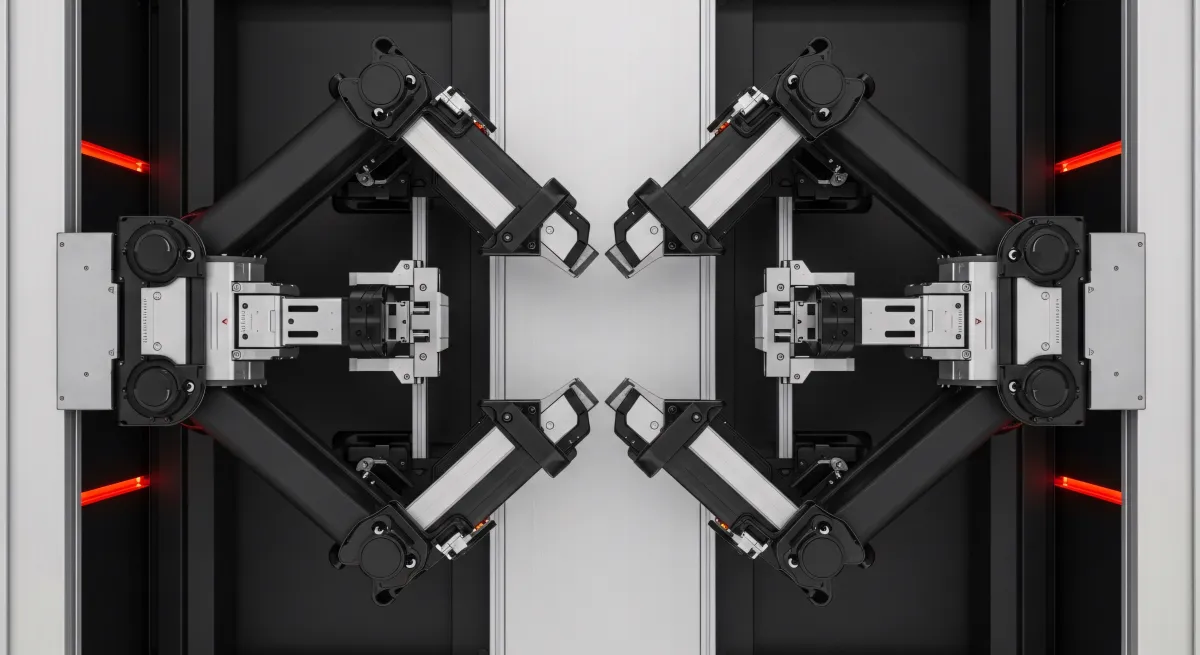
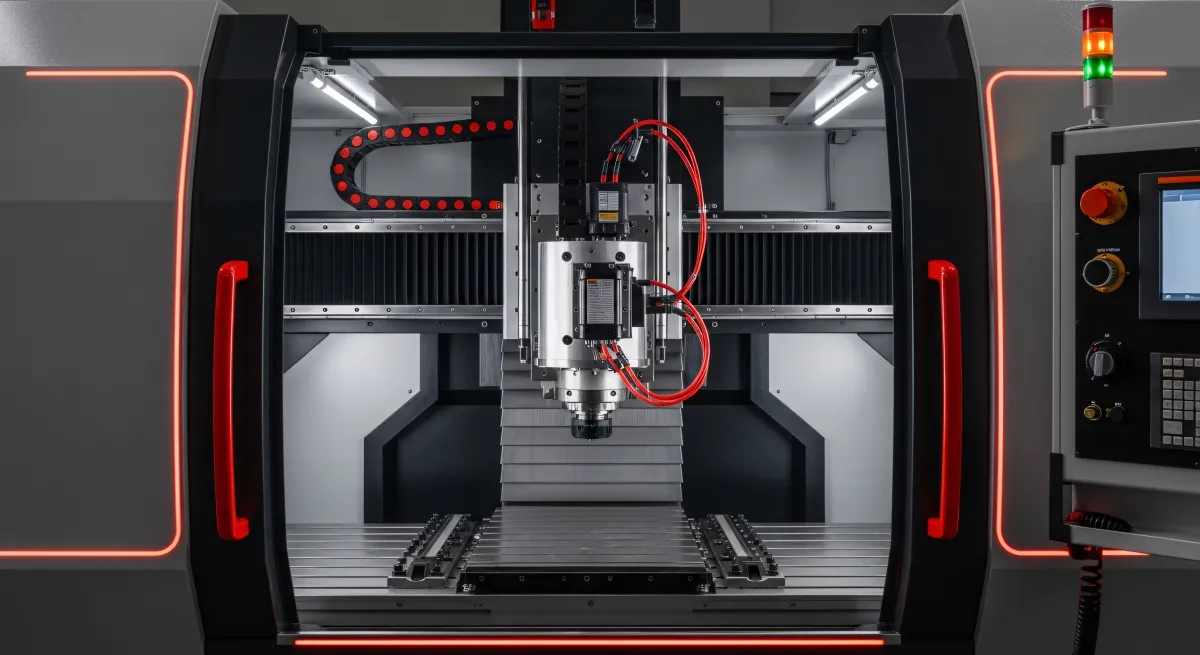
Computer vision systems inspect products at production speeds exceeding human capacity, detecting defects measured in micrometers while maintaining consistent standards across shifts and facilities. These optical inspection systems identify surface imperfections, dimensional variations, color inconsistencies, and assembly errors, triggering automatic rejection mechanisms for non-conforming items. Predictive maintenance algorithms analyze vibration patterns, temperature fluctuations, acoustic signatures, and energy consumption from machinery, scheduling interventions before failures disrupt production. Supply chain optimization models forecast demand patterns based on historical sales, seasonal trends, economic indicators, and promotional activities, coordinating inventory levels and procurement timing that minimizes costs while preventing stockouts.
Retail Personalization
Recommendation engines analyze browsing behavior, purchase history, product ratings, and demographic information to suggest items matching individual preferences. These systems increase conversion rates and average order values through personalized product displays and targeted promotions. Inventory optimization algorithms balance stock levels across distribution centers and retail locations, reducing excess inventory costs while maintaining product availability. Dynamic pricing systems adjust prices based on demand fluctuations, competitor pricing, inventory levels, and customer segments. Virtual shopping assistants guide customers through product selection, answer questions about specifications and availability, and provide styling suggestions. Computer vision systems in physical stores track customer movement patterns, identify popular product displays, and detect theft attempts through behavioral analysis.
Technology Components
Contemporary AI implementations combine multiple technologies including machine learning algorithms, natural language processing, computer vision, and predictive analytics. These components integrate within existing operational systems through application programming interfaces and data pipelines.
"The fraud detection system reduced false positives by sixty-three percent while identifying suspicious transactions our previous rule-based system missed entirely. Implementation required six months of data preparation and model training, but the improvement in detection accuracy justified the effort."

Machine Learning Algorithms
Supervised and unsupervised learning methods process structured data, identifying patterns and relationships that inform predictions and classifications across applications.
Natural Language Processing
Language models comprehend text and speech, enabling chatbots, sentiment analysis, document summarization, and translation systems that interpret human communication.
Computer Vision Systems
Image recognition and object detection technologies analyze visual information for quality inspection, facial recognition, autonomous navigation, and medical imaging interpretation.
Machine Learning Algorithms
Supervised and unsupervised learning methods process structured data, identifying patterns and relationships that inform predictions and classifications across applications.
Natural Language Processing
Language models comprehend text and speech, enabling chatbots, sentiment analysis, document summarization, and translation systems that interpret human communication.
Computer Vision Systems
Image recognition and object detection technologies analyze visual information for quality inspection, facial recognition, autonomous navigation, and medical imaging interpretation.
Application Examples
Visual documentation of AI implementations




Implementation Benefits
Organizations report measurable improvements following AI adoption across various metrics

Efficiency
Automated processes reduce time requirements for routine tasks, allowing personnel to focus on complex problems requiring human judgment and creativity. Results may vary based on implementation quality.
- Faster data processing capabilities
- Reduced manual workload
- Consistent quality standards
- 24-hour operational capacity
Accuracy
Machine learning models achieve precision levels exceeding human performance on specific pattern recognition tasks, though they remain susceptible to errors when encountering situations outside their training data.
- Reduced human error rates
- Consistent decision criteria
- Pattern detection at scale

Scalability
AI systems process increased workloads without proportional cost increases, enabling organizations to handle growth without expanding workforce at equivalent rates. Infrastructure costs remain significant considerations.
- Handle volume increases efficiently
- Deploy across multiple locations
- Adapt to demand fluctuations

Insight
Predictive analytics identify patterns and correlations within complex datasets that inform strategic decisions. Model predictions require validation against actual outcomes to ensure reliability over time.
- Identify hidden patterns
- Forecast future trends
- Optimize resource allocation
- Support strategic planning

Personalization
Recommendation systems tailor experiences to individual preferences, increasing engagement and satisfaction. Privacy concerns and data collection practices require careful consideration and transparent communication.
- Customized product recommendations
- Tailored content delivery
- Individual communication preferences